
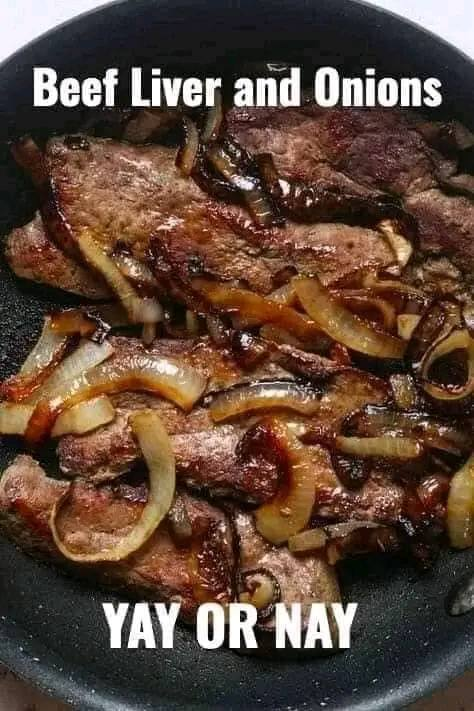
Beef liver and onions is a traditional dish that has been enjoyed for generations across many cultures. Known for its rich, savory flavor and high nutritional value, this meal is both hearty and satisfying when prepared correctly. While liver has a reputation for being an acquired taste, the right preparation techniques—especially soaking, seasoning, and pairing with caramelized onions—can transform it into a deeply flavorful and tender dish.
Below is a detailed, step-by-step recipe along with tips, variations, and explanations to help you master this classic meal.
Ingredients
- 1 lb beef liver (sliced)
- ¼ cup all-purpose flour
- ¼ to ½ cup butter (adjust to preference)
- 2 large onions (thinly sliced)
- 1 cup milk (for soaking)
- Salt (to taste)
- Black pepper (to taste)
- Optional: garlic powder, paprika, or thyme for added flavor
Preparation Overview
The key to making delicious beef liver lies in reducing its natural bitterness and achieving a tender texture. This is done primarily through soaking and proper cooking time. Overcooking liver is the most common mistake and results in a tough, grainy texture.
Step 1: Preparing the Liver
Start by rinsing the beef liver under cold water. Pat it dry using paper towels. If your liver slices are thick, consider slicing them into thinner pieces, about ¼ inch thick. This helps them cook evenly and remain tender.
Next, place the liver in a shallow bowl and cover it with milk. Let it soak for at least 30 minutes, though soaking for 1–2 hours is even better. This process helps mellow out the strong, metallic flavor that many people find off-putting.
After soaking, remove the liver from the milk and gently pat it dry again. Discard the milk.
Step 2: Preparing the Onions
While the liver is soaking, prepare the onions. Slice them thinly into rings or half-moons, depending on your preference.
In a large skillet, melt about half of your butter over medium heat. Add the sliced onions and cook them slowly, stirring occasionally. The goal is to caramelize the onions, which means drawing out their natural sugars to create a sweet, rich flavor.
This process usually takes about 15–20 minutes. You want the onions to become soft, golden brown, and slightly sweet. If they begin to burn, reduce the heat and add a small amount of butter or a splash of water.
Once caramelized, remove the onions from the skillet and set them aside.
Step 3: Coating the Liver
In a shallow dish or plate, combine the flour with salt and pepper. You can also add optional seasonings like garlic powder or paprika for extra flavor.
Lightly dredge each piece of liver in the flour mixture, ensuring an even coating. Shake off any excess flour. This coating helps create a slight crust when frying and enhances the overall texture.
Step 4: Cooking the Liver
Using the same skillet, add the remaining butter and allow it to melt over medium heat. Once the butter is hot but not smoking, add the coated liver slices.
Cook the liver for about 2–3 minutes on each side. The exact time will depend on thickness, but the key is not to overcook. The inside should remain slightly pink for the best texture.
Overcooked liver becomes tough and loses its appealing flavor, so keep a close eye on it.
Step 5: Combining and Finishing
Once the liver is cooked, return the caramelized onions to the skillet. Gently stir everything together and allow it to heat through for another 1–2 minutes.
Taste and adjust seasoning if necessary. Some people like to add a small splash of broth or water at this stage to create a light sauce.
Serving Suggestions
Beef liver and onions pairs beautifully with a variety of side dishes. Some popular options include:
- Mashed potatoes
- Steamed rice
- Buttered noodles
- Roasted vegetables
- Fresh bread or dinner rolls
The richness of the liver and the sweetness of the onions complement starchy sides particularly well.
Tips for Success
1. Don’t skip the milk soak
This step is essential for improving flavor, especially if you are new to eating liver.
2. Cook quickly
Liver cooks very fast. Overcooking will ruin the texture, making it rubbery and dry.
3. Use fresh liver
Fresh liver has a milder taste and better texture than older cuts. If possible, purchase from a trusted butcher.
4. Slice evenly
Uniform thickness ensures even cooking and prevents some pieces from becoming overdone.
5. Balance flavors
The sweetness of the onions balances the strong taste of the liver, so don’t rush the caramelization process.
Nutritional Benefits
Beef liver is considered one of the most nutrient-dense foods available. It is rich in:
- Iron (excellent for preventing anemia)
- Vitamin A (supports vision and immune function)
- Vitamin B12 (essential for nerve health and energy)
- Protein (supports muscle growth and repair)
However, because it is very high in vitamin A, it should be consumed in moderation.
Variations
There are several ways to customize this dish:
With Bacon:
Cook chopped bacon first, then use the rendered fat to cook the onions and liver. This adds a smoky flavor.
With Gravy:
After cooking the liver, add beef broth and a bit of flour to create a thicker sauce.
With Vinegar or Lemon:
A splash of acidity can brighten the dish and cut through the richness.
With Herbs:
Fresh thyme or parsley can add a fresh, aromatic element.
Common Mistakes to Avoid
- Skipping the soaking step
- Overcrowding the pan (which causes steaming instead of frying)
- Overcooking the liver
- Under-seasoning
- Burning the onions instead of caramelizing them
Conclusion
Beef liver and onions is a dish that rewards careful preparation and attention to detail. When done correctly, it delivers a rich, savory experience balanced by the natural sweetness of caramelized onions. While it may not be everyone’s first choice, those who appreciate traditional comfort foods often find it deeply satisfying.